[ad_1]

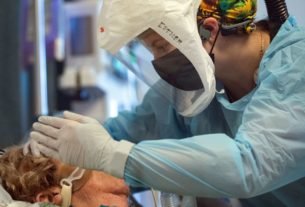
UW Medicine highlighted the effects of omicron on their healthcare system in their Jan. 21 town hall. The forum marks two years since the first case of COVID-19 was reported in the United States on Jan. 21, 2020.
Omicron holds steady in King County, strains UW Medicine
“I would say that the strain in our system right now is pretty incredible,” Anne Browning, UW Medicine assistant dean for well-being, said.
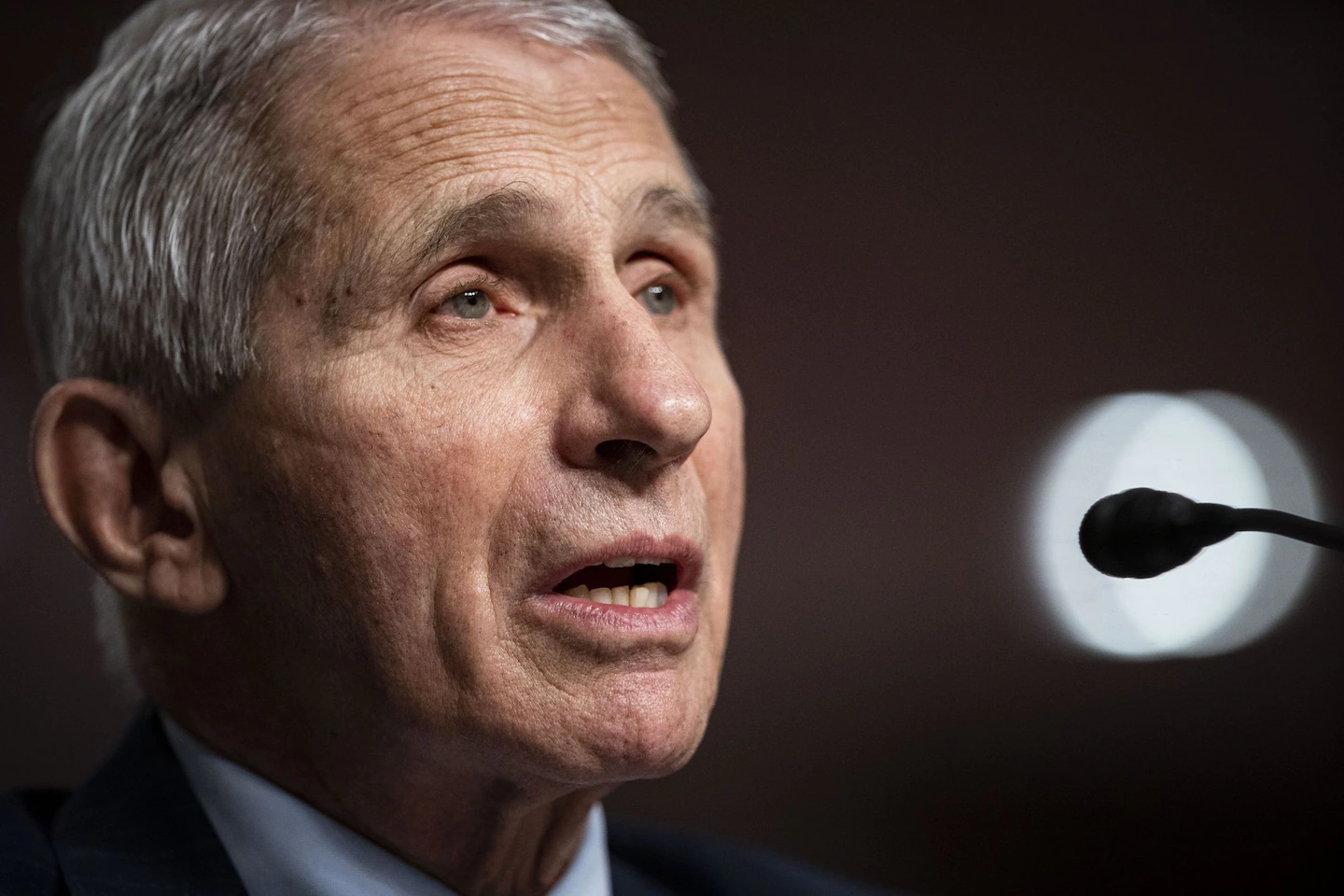
Tim Dellit, UW Medicine chief medical officer, said the rising number of COVID-19 admissions appears to be approaching a plateau.
As of Jan. 21, the UW Medicine system sat at 188 COVID-19 patients systemwide, with 46 of those patients in the ICU.
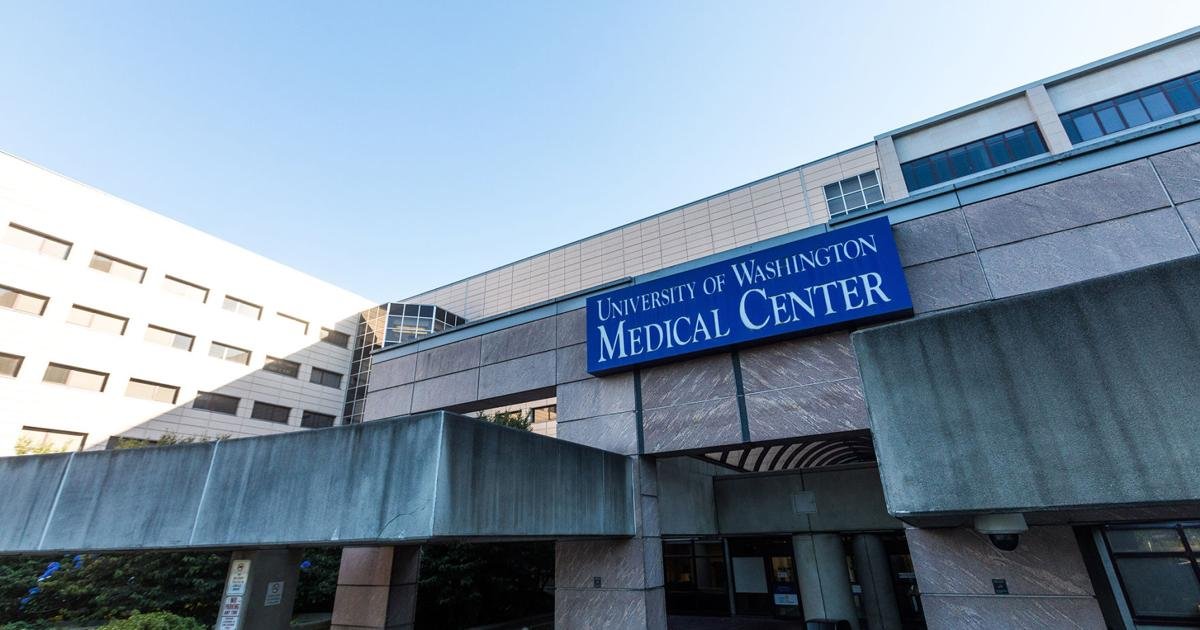
According to Seth Cohen, UW Medical Center (UWMC) director of infection prevention, only 13 of the 47 patients requiring oxygen had been fully immunized with a booster. Cohen also said that eight patients between UWMC and Harborview are on ventilators.
“Of those eight that are requiring mechanical ventilation, only one of those is fully up to date with their vaccinations,” Cohen said.
The UW Medicine system is experiencing significant strain due to the virus. Jerome Dayao, Harborview chief nursing officer, said the facility is at 114% capacity. The center has begun identifying spaces for care to be administered in hallways and conference rooms.
Similarly, multiple UW medical centers have doubled the number of patients in some rooms to accommodate the high number of people requiring inpatient care for COVID-19.
Staffing shortages
Cohen said UW Medicine is currently fluctuating between 500 and 600 employees in isolation or quarantine because of the virus, down from over 800 in the first week of the month. Much like COVID-19 admissions, this appears to be reaching a plateau.
“The virus is just so pervasive,” Browning said. “It’s almost impossible to not come into an exposure.”
The system is still in contingency state, which, according to a UW Medicine newsroom entry, involves enlisting the assistance of staffing agencies and “caring for patients in different settings.” It also involves the postponement of non-essential surgeries, which is in effect through Feb. 17.
Updated isolation guidelines
Breaking from their previous 10-day isolation guideline, UW Medicine has adopted a new isolation policy for workers infected with the virus.
In accordance with updated CDC guidance for healthcare workers, those who test positive without symptoms will now isolate for five days and may return to work after this period if they remain asymptomatic.
Healthcare workers who still have symptoms at the end of their five-day isolation will update their symptoms and, if their condition seems to be improving, may be cleared to return to work as well.
“We never would bring back anyone who does not feel well to work,” Dellit said. “And we want to make sure that they really are having significant improvement in their symptoms.”
Guidance for the community
Dellit advised against going anywhere involving a large crowd. He also suggested KN95, N95, and KF94 masks for use in settings like public transportation.
“If you’re in the community and you want to take it off, it’s okay to put that mask back on as long as it’s not soiled or dirty,” Cohen said.
Cohen said he expects omicron to leave some of those infected with long COVID.
“We see severe disease from omicron and people who are unvaccinated and I don’t know why it wouldn’t cause long COVID in the same population,” Cohen said. “Long COVID is super common — it probably affects between 10 to 30% of people who recover from COVID, so I’m sure it’s happening.”
UW Medicine is assuming some amount of short-term immunity from being reinfected by omicron. Cohen said people diagnosed with COVID-19 who have not yet received the booster may do so as soon as they finish isolating and recovering from their illness.
“The boosters really do have an impact, not only in decreasing your risk of infection, although we definitely see breakthrough,” Dellit said. “But what’s striking in this information is the 90% effectiveness in terms of preventing hospitalization.”
UW Medicine town halls take place Fridays at 3 p.m. Future meetings and recordings of past forums can be found here.
“I think if we had to know a year ago what our case counts would look like and what our system would feel like right now, it would be hard to get our minds around it,” Browning said. “And yet, as these things happen, we still manage to kind of find our way through it.”
Reach reporter Max Keystone at news@dailyuw.com. Twitter: @KeystoneMax
Like what you’re reading? Support high-quality student journalism by donating here.
[ad_2]
Source link