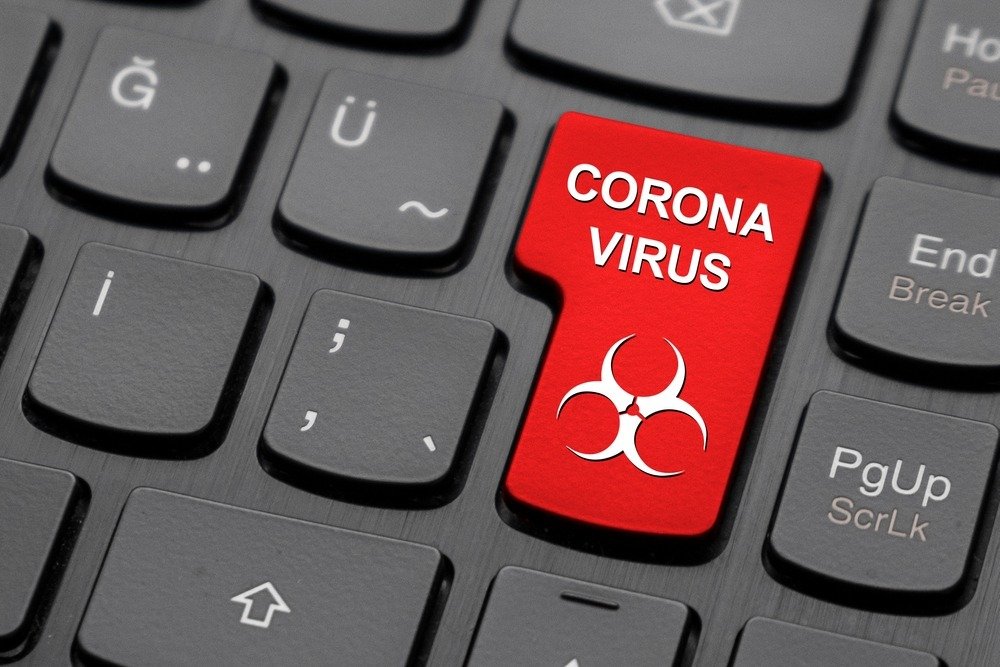
The COVID-19 virus, also known as the novel coronavirus, has been taking a toll on the global economy for some time now. Even more tragically, this emerging illness has already killed thousands of people around the world, and the rapid spread of the disease has sparked fears of a global pandemic.
Amid all the panic and chaos, some are seeing an opportunity, and that threatens to make a bad situation even worse. Never ones to let a good crisis go to waste, cybercriminals and online scammers are taking advantage of coronavirus fears to spread disinformation, steal login credentials and pick the pockets of the worried well and the already ill. Here are just some of the ways the criminally minded and unethical are capitalizing on the latest threat to global health.
The Hidden Cure Phishing Scam
When you log on to your email account, you may see a message claiming that there is a cure for the COVID-19 coronavirus. That promise of a cure is sure to get attention, and that is exactly what the cybercriminals behind the scam are hoping for.
That attention-grabbing headline is just the start of the process. When curious recipients click on the message, they are greeted with news that there is a hidden cure for COVID-19, one that is being deliberately withheld by the powers that be. But the writers of the email claim to know about the cure, and protection is just a click away.
Unfortunately, the promised cure is actually an infection, one designed to steal your passwords, harvest your login information and grab your personal data. If you click on the link you could become infected, not with COVID-19 but with a data virus that could still do enormous harm.
Supplements and Products of Questionable Quality
Whenever there is a global health crisis the scammers come out of the woodwork, hoping to capitalize on a lack of solid information and fears of a growing pandemic. As worries about the novel coronavirus continue to spread, the snake oil salesmen have come out in a big way. And like their counterparts in the old west, what they are selling is useless at best and potentially harmful at worst.
Some of these questionable supplements and protective products are perfectly harmless, and the only danger they pose is to your wallet. Even so, wasting money on useless vitamins, supplements and face masks means less cash on hand to buy supplies that could really make a difference.
Even more troubling, some of the products being peddled could actually be harmful. From supplements contaminated with lead and other adulterants to protective products that provide nothing but a false sense of security, these items could be extremely dangerous, especially in the face of a real epidemic.
Price Gouging on Preparedness Items
If you have tried to purchase hand sanitizer or face masks lately, you may have run into empty shelves at your local big box store or pharmacy. These shortages have led to price gouging both online and off, with markups as high as 500% on protective products people need to fight the coronavirus.
Amazon and other online retailers have taken steps to fight this price gouging, sending out warnings to their retail partners and threatening to suspend accounts. Even so, the scammers are still trying to get around these steps, and it is important to watch out for higher than normal prices as you shop.
The Spread of Misinformation
There is a great deal of misinformation about the COVID-19 virus, and much of that misleading information is spreading online. From unfounded reports that the latest coronavirus is actually a bioweapon that escaped from the lab to claims that UV lights can safely sanitize surfaces, this disinformation is dangerous and difficult to refute.
Those worried about the coronavirus and its implications can protect themselves by sticking to reputable websites like the Centers for Disease Control (cdc.gov) and turning to local governmental agencies for the latest information. Social media users can protect their fellow citizens by verifying shared information before passing it on. If you see a scary headline or questionable piece of information about COVID-19, check the source carefully, look for verification on other websites and use your own common sense. If something does not seem right, resist the urge to share the link until you know the full story.
Only time will tell if the current COVID-19 virus crisis will turn out to be a true global pandemic or just the latest in a long list of overblown news stories, but one thing is very clear. As long as there is danger to the public, there will be scammers ready to make a quick buck. These cybercriminals and unethical business owners are not above trading on fear and panic, so arm yourself with the facts so you will not fall for their scams.